DEVELOPMENT OF ADVANCED METHODOLOGIES FOR REDUCING THE SIZE OF WIND TURBINE COMPONENTS DURING DISMANTLING
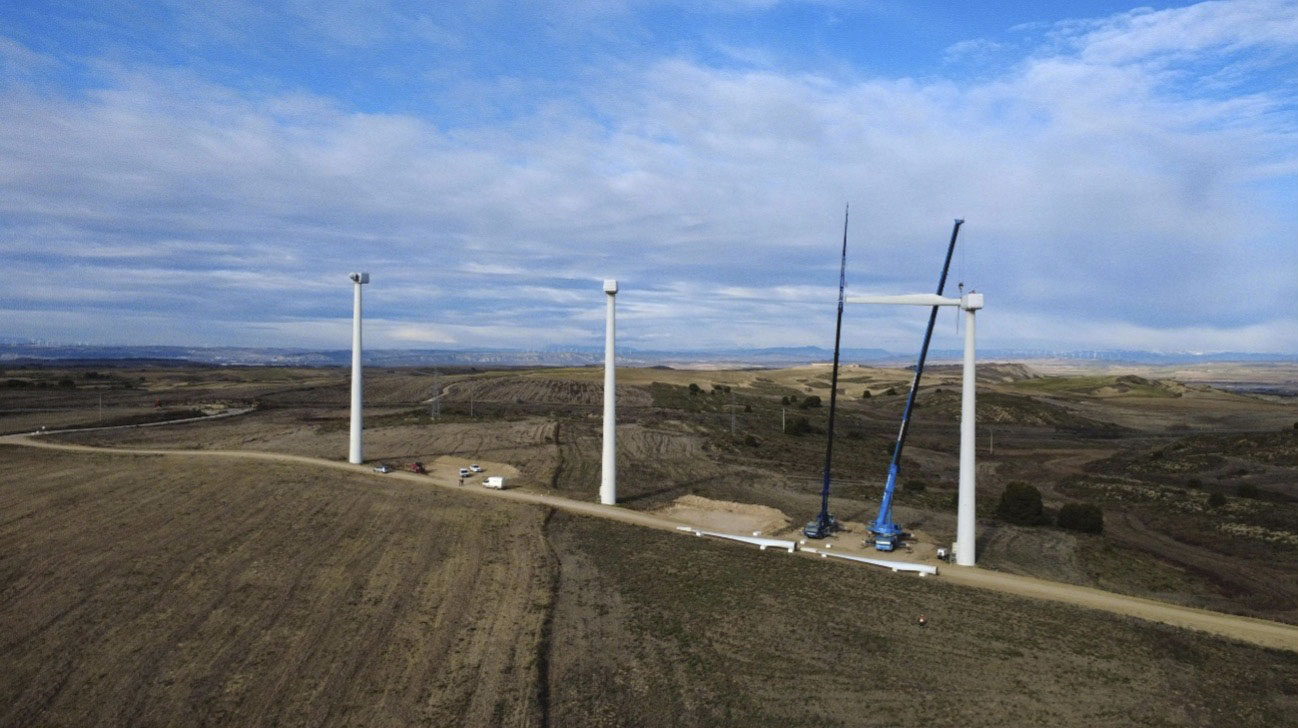
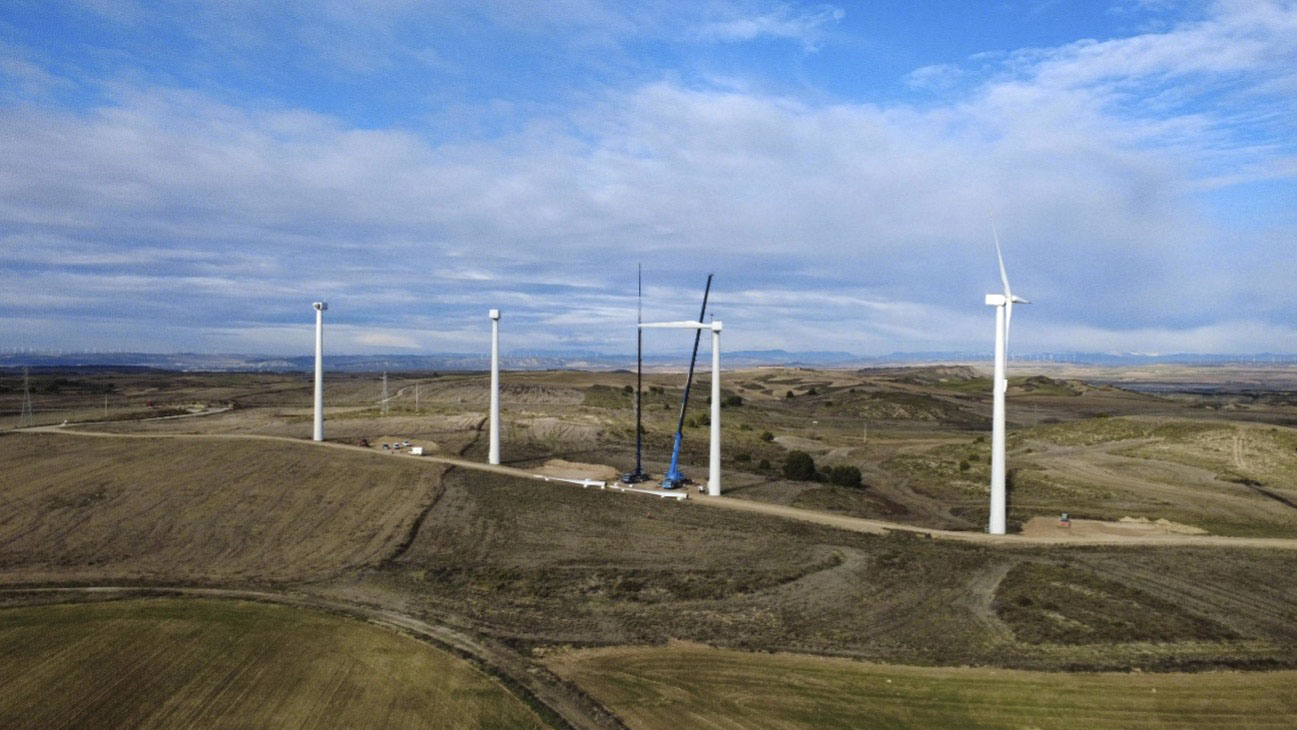
The Spanish wind power sector, with its ageing fleet, faces the challenge of dismantling and recycling wind turbines that have reached the end of their useful life. Although between 85% and 90% of the total weight of their materials (steel, copper, aluminium, etc.) already have well-established recycling processes, composite blades pose major challenges.
In this regard, initiatives such as Waste2Fiber seek solutions to maximise the recyclability of these components. In addition, the European wind industry has called for a ban on the landfilling of dismantled wind turbine blades by 2025, committing to reuse, recycle or recover 100% of these blades.
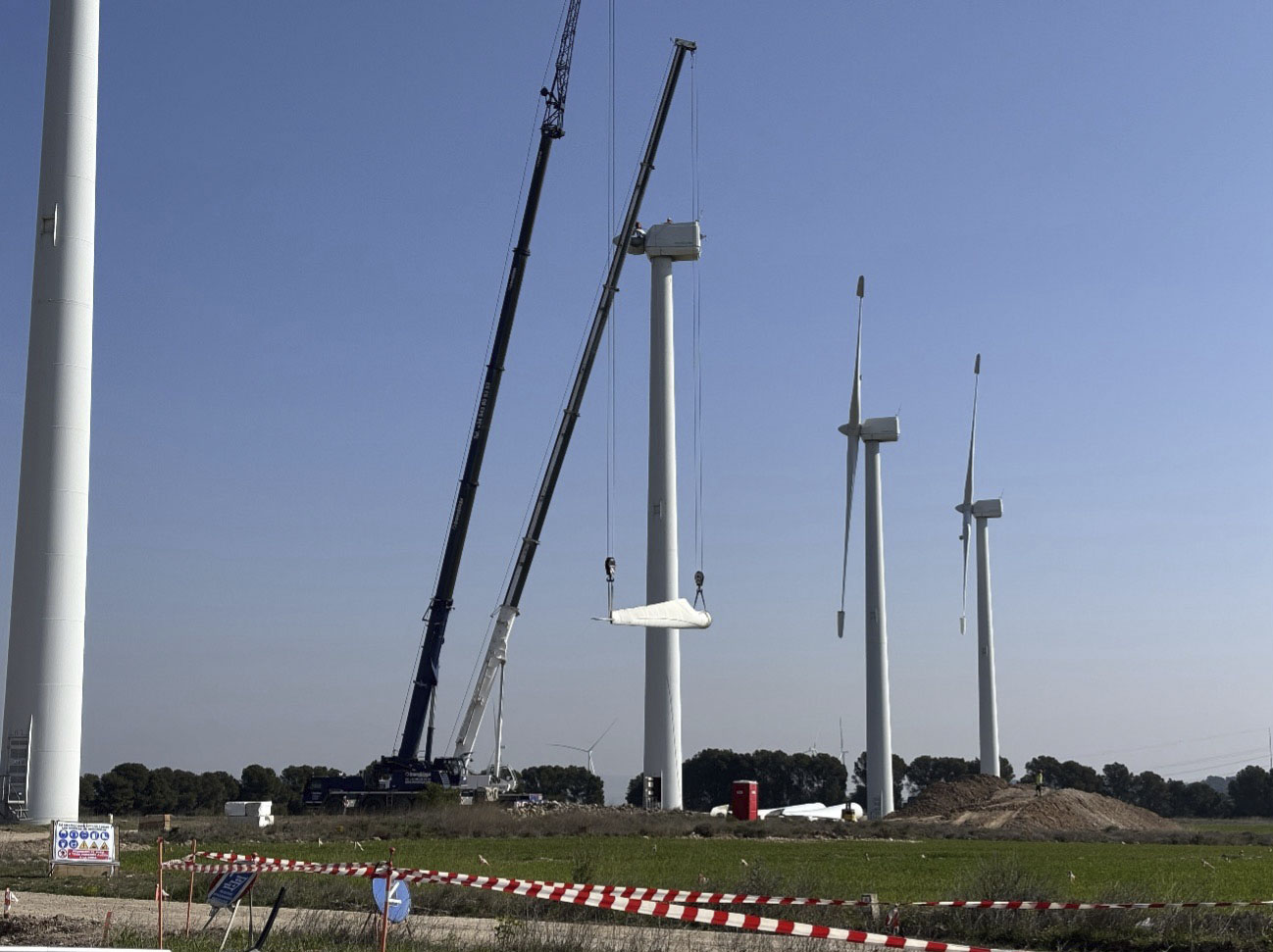
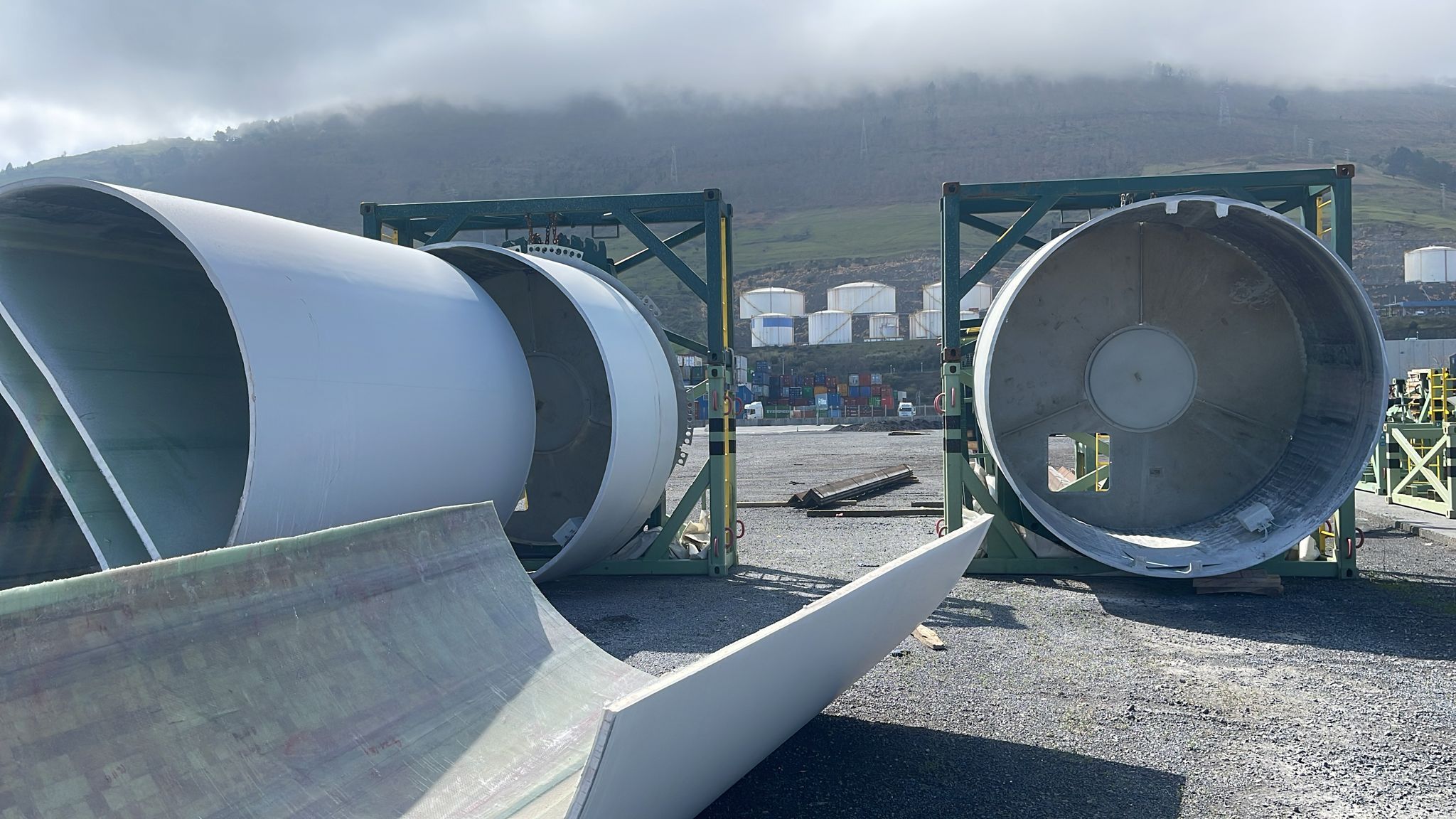
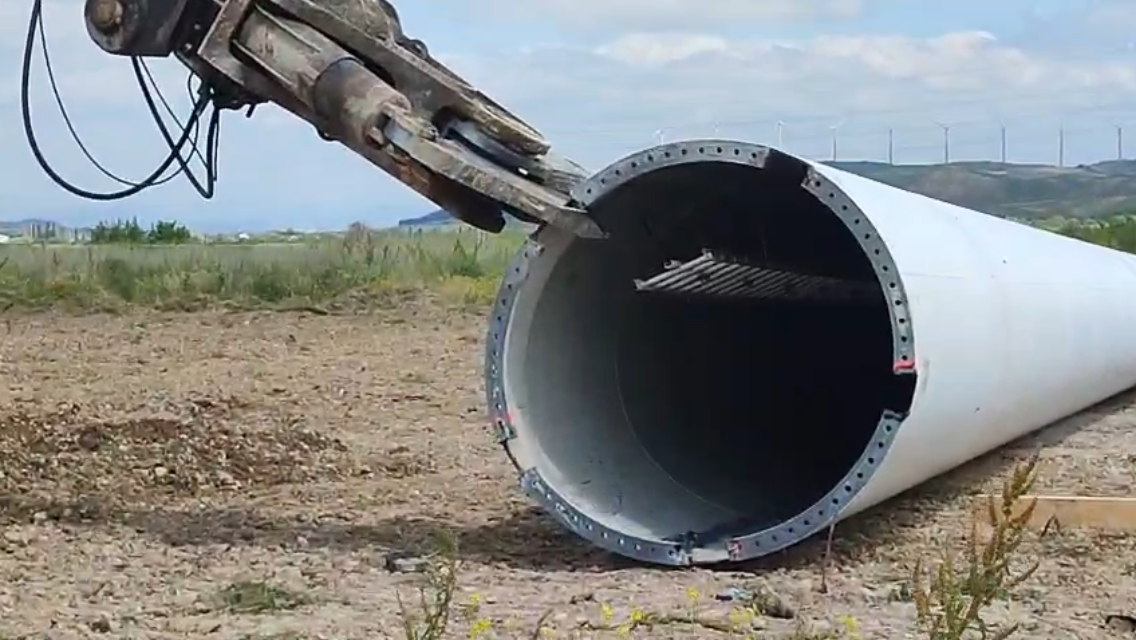
In this context, reducing the size of large wind turbine components is considered an essential process to facilitate their transport and recycling, the implications of which have a significant impact on the cost of dismantling and which takes place both at the wind farm site itself, allowing for more efficient logistics and proper waste management, and in industrial environments, where the various components are processed prior to recycling and reconditioning.
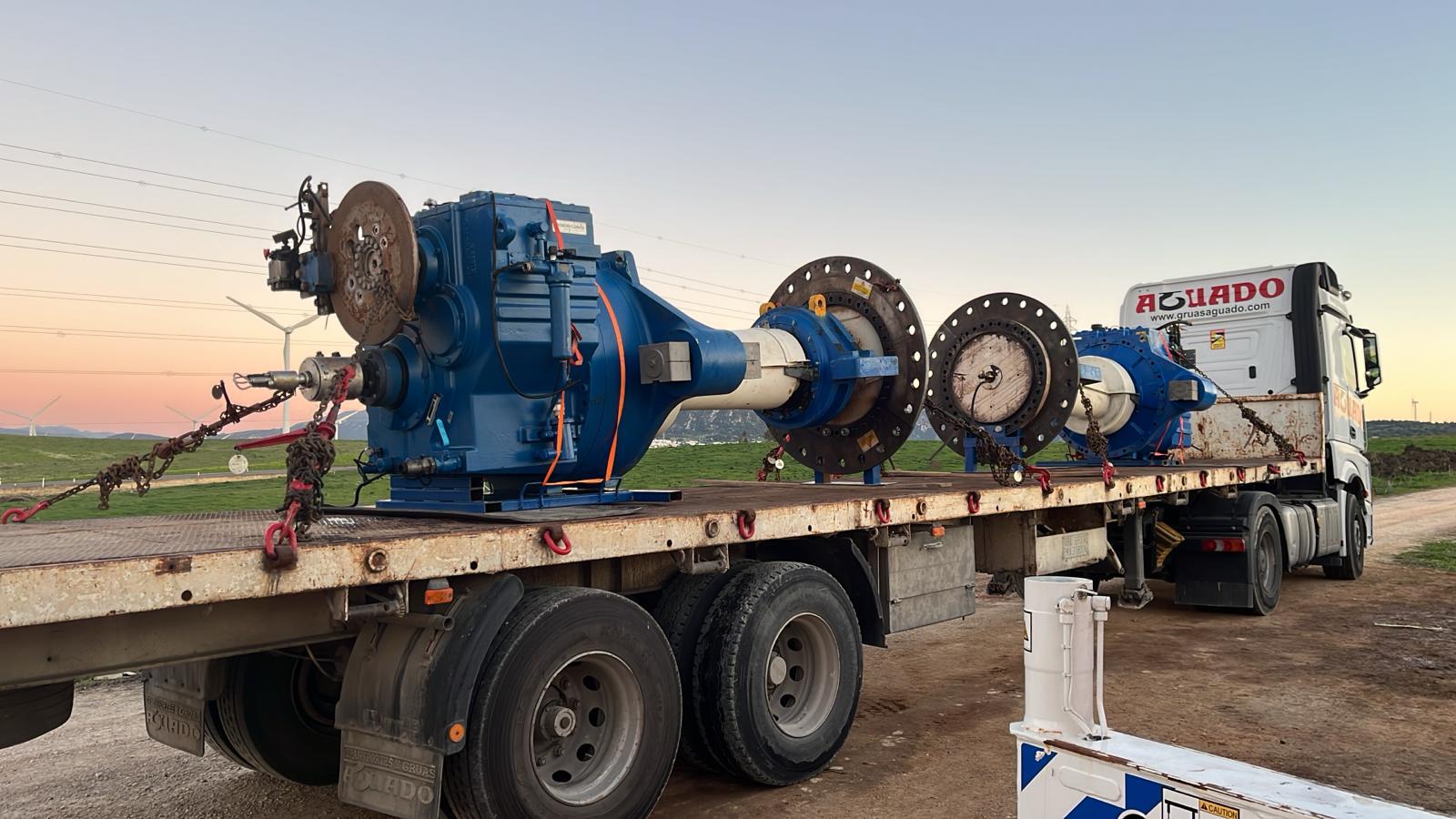
The RETACO project addresses this issue with a comprehensive approach to the entire process of handling, downsizing and optimised transport of large wind turbine components, from the dismantling of the wind turbine to the delivery of the recovered materials to recycling and reconditioning plants.
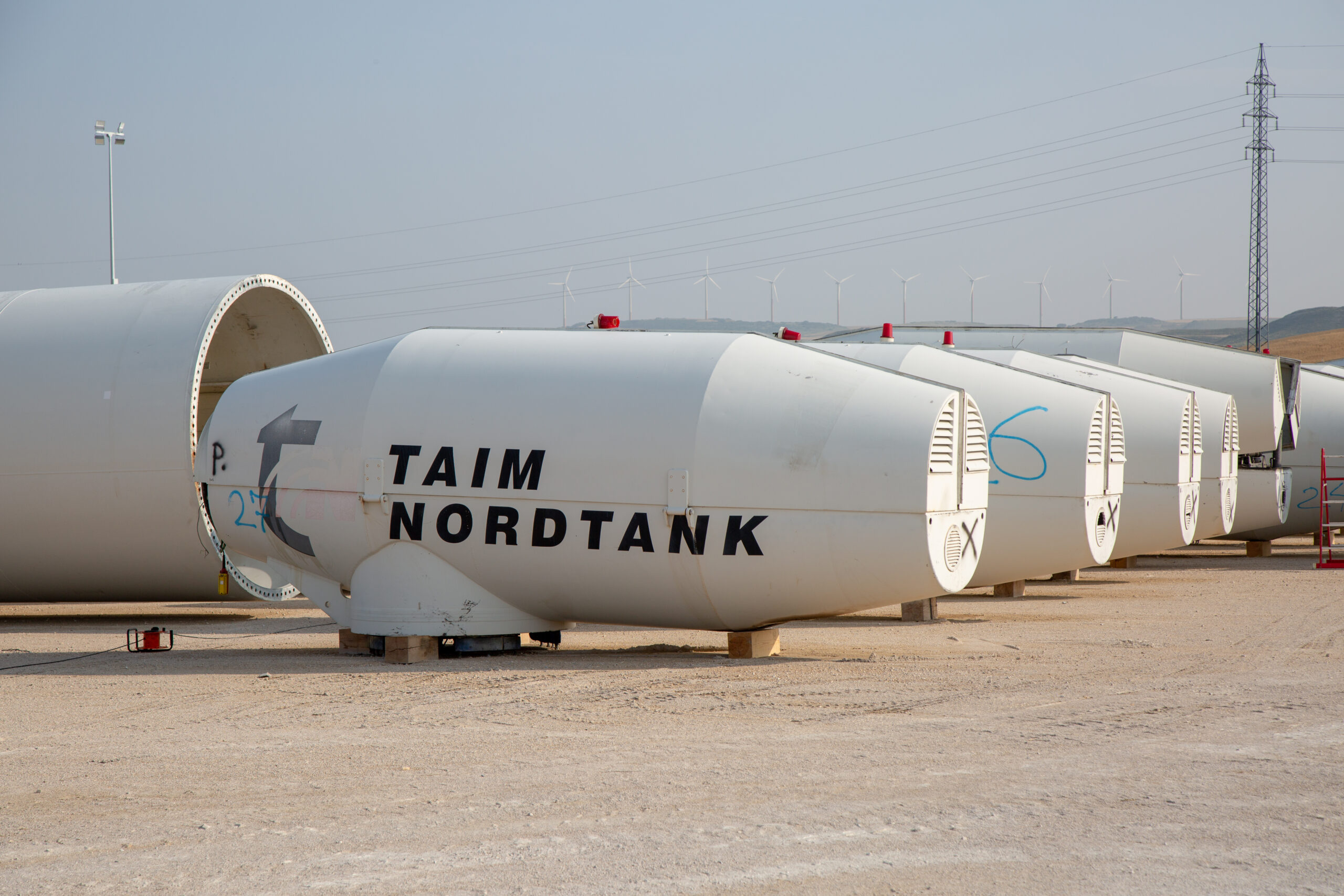
The core of the project lies in specific size reduction methodologies for blades, tower sections and nacelles, since, due to their large size, the handling and transport of these elements can be a critical issue, both technically and economically and environmentally. It focuses on the development of hybrid cutting and segmentation solutions adapted to each component and location, with criteria of precision, speed and sustainability (minimisation of emissions, water, energy and noise). It will culminate in pilot tests to validate the technical and economic viability of the proposed methodologies, facilitating circularity in the wind sector.
Thanks to achieving the objectives set out in RETACO, it will be possible to minimise the transport of dismantled elements, which will lead to a reduction in emissions associated with these actions.